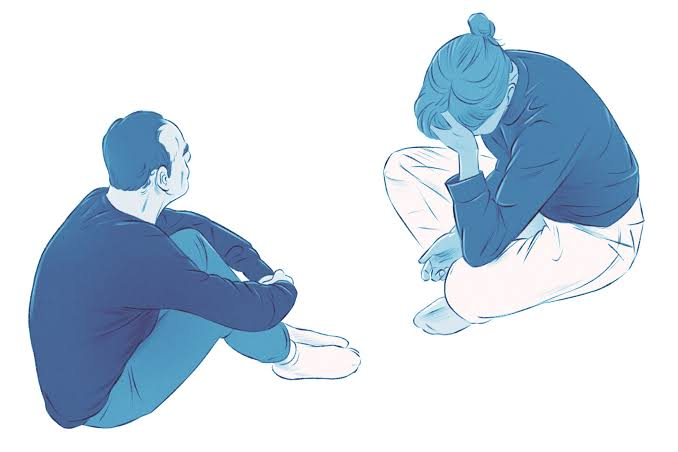
Self-Harm Behavior in Teens
Updated: Aug 4
We Need to Talk About Self-Harm: Understanding and Supporting Our Loved Ones
Let’s talk about something that we often avoid: self-harming. This includes behaviors like cutting, burning, pulling out hair, or picking at skin and acne. It’s understandable why we shy away from this topic; it can be uncomfortable, and we may not know what to say. However, when we don’t discuss it, those who struggle are left to face their pain alone.
Understanding the Fear
I often hear from parents who feel lost when it comes to addressing self-harming with their kids. They’re afraid for many reasons: What if it gets worse? What if my child is suicidal? Why would they hurt their own body? How can I keep them safe? These questions can feel overwhelming.
On the other hand, teens often express feeling overwhelmed by their emotions. They might need physical pain to ground themselves in their bodies. Sometimes, they feel so numb that inflicting pain is the only way to feel something. Seeing a physical wound can reflect the emotional turmoil they’re experiencing. It may even provide a sense of control in a world where they feel powerless.
Some Data on Self-Harm
Did you know that about 32% of kids and teens will struggle with self-harming behavior at some point in their lives? This behavior, also known as self-injurious behavior or nonsuicidal self-injury, is more common than many realize. If you’re curious, here’s a research article that dives deeper into the prevalence of suicidality and self-injury among kids and teens worldwide.
It’s important to note that self-harming doesn’t always mean someone is suicidal. While these behaviors can sometimes coexist, they don’t always do so. Remember, teenagers often have less impulse control than adults due to ongoing brain development. This can lead to intense emotions and mood swings—hello, puberty!—which can result in dangerous behaviors.

Let’s Reframe the Behavior
Imagine it’s January, and you’re walking by a pool when you accidentally drop your sunglasses in. Would you jump in to save them? Probably not; they’re just $15 Target sunglasses. Now, picture walking by that same pool with your child, and they accidentally fall in. Would you jump in? Absolutely! The instinct to save your child outweighs the discomfort of the cold water.
This analogy applies to self-harm. People don’t choose to hurt themselves out of boredom or a desire for attention. They self-harm because it’s often the only method they’ve found to relieve intense emotional pain.
Bottom line: self-harm is a coping skill. It may not be a healthy one, but understanding this can help us respond with compassion and connection rather than shame.
In Therapy: Finding Help
Therapy is a fantastic place to address self-harming behavior. Common modalities include CBT (Cognitive Behavioral Therapy) and DBT (Dialectical Behavioral Therapy). Both are effective for developing healthier coping skills. A therapist will typically work with you and your teen to create a safety plan, discussing triggers, warning signs, coping strategies, and support networks. Some therapists may also involve parents in family therapy or provide parent training.
At Steady Hope, I (Lauren) specialize in helping teens who struggle with self-harm. If you’re seeking therapy for yourself while navigating this journey with your teen, I recommend McCayla. She’s wonderful and can provide support for parents.
Do’s and Don’ts: Navigating Conversations
Connection Over Correction
Open the door for conversations with your child if they are struggling with self-harm. You might say, “Hey, I noticed some marks on your arm. I’m here to talk about it whenever you’re ready, and I love you.” Avoid punishment or forcing them to discuss it. If your child knows they are safe and supported, they will be more likely to open up when they feel ready.
Hiding Sharp Objects
A common response to preventing self-harm is to hide sharp objects like razors, knives, and other tools. While this may reduce access to unsafe items during high-risk moments, it can also increase parental control and decrease teen autonomy. This can lead to power struggles and secrecy. Here is an interesting research article that explains this dynamic. Connecting with your teen to provide support is crucial. Talk with your pediatrician and therapist about options to keep your teen safe while fostering a sense of support.
Creating a Safety Plan
If unsafe behaviors are occurring, let’s work together as a family to create a safety plan. Involving your teen in this process encourages their autonomy and buy-in. It also opens up conversations about their behavior and stressors, helping to reduce some of the shame surrounding self-harm.
Seeking Support for Your Teen
If your teen is self-harming, it’s essential to take them to their pediatrician to check for injuries. Finding a therapist who specializes in working with teens and self-harm is crucial. You may also want to consider getting your own therapy. Watching your child harm themselves is incredibly difficult, and it’s okay to have your own feelings about it. You deserve to talk to someone about your thoughts and emotions.

Some Resources for Support
To Write Love on Her Arms is a nonprofit that provides scholarships for individuals struggling with self-harm, suicidality, and other challenges. They offer helpful blog posts, encouraging social media content, a free app for journaling and mood tracking, and fun merchandise.
Here’s a safety plan from TWLOHA that could serve as a great starting point for discussions with your teen about their struggles and how to support them.
For more information on self-harm, check out this resource from Hillside, a residential treatment facility: Learn About Self-Harm.
If you or your teen are ready to explore therapy resources, our team at Steady Hope would be honored to support you. Reach out to set up a free phone consultation.
Together, we can navigate this journey toward healing and resilience. Remember, you’re not alone in this.